Model evaluation
After the model has been trained, evaluate it for its performance
and success metrics. You might want to generate multiple models
using different methods and evaluate the effectiveness of each
model. You also might evaluate whether your model must be
more
sensitive than specific, or more specific than sensitive
You can evaluate your model using historical data (offline evaluation) or live data (online evaluation). In offline evaluation, the trained model is evaluated with a portion of the dataset that has been set aside as a holdout set. This holdout data is never used for model training or validation, but rather to evaluate errors in the final model. The holdout data annotations must have high assigned label correctness for the evaluation to make sense. Allocate additional resources to verify the correctness of the holdout data.
Based on the evaluation results, you might fine-tune the data, the algorithm, or both. When you fine-tune the data, you apply the concepts of data cleansing, preparation and feature engineering.
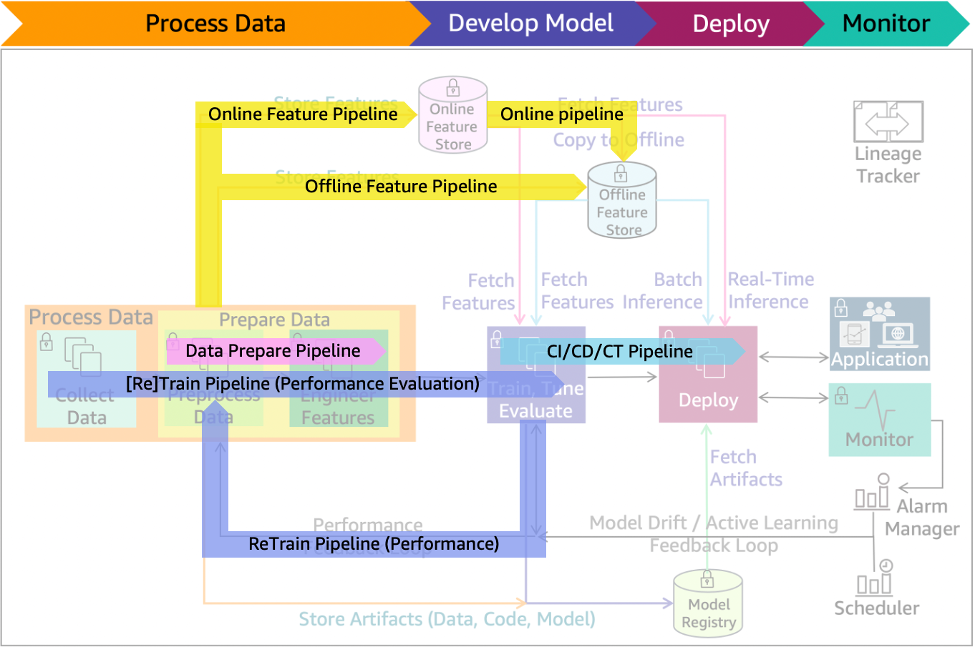
Figure 13: ML lifecycle with performance evaluation pipeline added
Figure 13 includes the model performance evaluation, the data prepare and CI/CD/CT pipelines that fine-tune data and algorithms, re-training, and evaluation of model results.
